What Repairs Are Sellers Required to Make in New Jersey?
You accept an offer.
You start planning your move.
Then the inspection report hits your inbox.
It is long. It is detailed. It may include 30 to 50 items. Suddenly, a deal that felt solid now feels uncertain.
If you are selling a home in Woodbridge, Edison, Metuchen, Colonia, Iselin, Avenel, Fords, Carteret, or anywhere in New Jersey, this is one of the most common and most misunderstood parts of the home selling process.
The biggest question sellers ask is:
Do I have to fix all of this?
In most cases, the answer is no.
Before negotiating repairs, it also helps to understand what your home may be worth. Our What's My Home Worth? tool can provide a starting point before inspection negotiations begin.
Let's break down what actually happens during a typical New Jersey real estate transaction and what really matters.
The Short Answer for New Jersey Sellers
In most New Jersey real estate transactions, sellers are not automatically required to fix everything listed in a buyer's home inspection report.
What happens next depends on:
- The terms of your purchase contract
- The inspection contingency
- The seriousness of the issues
- The buyer's financing
- New Jersey disclosure requirements
- The buyer's formal repair request
The inspection report itself does not create a repair obligation. It creates a negotiation.
This article provides general information and is not legal advice. For guidance about a specific contract or transaction, consult your New Jersey real estate attorney.
What Happens After the Home Inspection?
After the inspection, the buyer and their attorney typically review the findings and determine whether there are issues they want addressed.
Depending on the purchase contract and the inspection contingency, the buyer may request that the seller:
- Make certain repairs
- Provide a credit at closing
- Reduce the purchase price
- Have an issue evaluated by a licensed professional
- Provide additional documentation
The seller can then review those requests with their real estate agent and attorney and determine how they want to respond.
That does not mean every request should be accepted.
Repairs That Often Receive the Most Attention
Although every transaction is different, buyers are generally more concerned with significant defects than normal wear and tear or cosmetic imperfections.
Issues that often receive greater attention during inspection negotiations include:
Structural Issues
Foundation movement, significant structural damage, compromised framing, or other structural concerns can become major negotiation points because of the potential cost and seriousness of the problem.
Roof Problems
An actively leaking roof, significant deterioration, or a roof near the end of its useful life may become an important issue, particularly when the condition could affect financing or insurance.
Electrical Safety Concerns
Exposed wiring, unsafe electrical conditions, defective panels, or other significant electrical issues may receive more attention than minor electrical repairs.
Plumbing and Active Water Leaks
Active plumbing leaks, damaged supply or drain lines, and water intrusion can become significant concerns because unresolved moisture can cause additional damage.
Heating and Major Mechanical Systems
A furnace or other major system that does not operate properly during the inspection may become part of the buyer's request for repair, evaluation, replacement, or credit.
Environmental Concerns
Depending on the property and inspection results, issues involving radon, mold, underground oil tanks, asbestos, or other environmental concerns may require additional testing or professional evaluation.
These types of findings are very different from a loose doorknob, peeling paint, a cracked switch plate, or other routine maintenance items.
What About Cosmetic Repairs?
Cosmetic issues are usually viewed differently from significant defects.
Examples may include:
- Minor drywall cracks
- Worn carpeting
- Older finishes
- Scratched flooring
- Minor paint issues
- Loose cabinet hardware
- Other ordinary wear and tear
Buyers can certainly request that these items be addressed, but that does not necessarily mean the seller must agree.
This is one reason sellers should evaluate the entire inspection request rather than reacting to the number of items in the inspection report.
Repair, Credit, or Price Adjustment?
When a legitimate inspection issue needs to be resolved, making the repair is only one possible solution.
Depending on the transaction, the parties may negotiate:
- A seller-completed repair
- A closing credit
- A purchase-price adjustment
- A combination of solutions
There are advantages and disadvantages to each approach.
Seller-Completed Repairs
A repair may make sense when the issue can be clearly defined, professionally completed, and documented before closing.
However, sellers should be careful about agreeing to vague language such as "repair as needed." The scope of the work should be clearly understood.
Closing Credits
A credit can sometimes provide a cleaner solution because the buyer can address the issue after closing according to their preferences.
However, credits may be subject to lender and closing limitations, so the buyer's financing and the advice of the attorneys involved should be considered.
Price Adjustments
A price reduction may occasionally make sense, but it does not always provide the buyer with money immediately available to complete a repair after closing.
For that reason, the structure of the resolution matters just as much as the dollar amount.
How Repairs Can Affect Your Selling Costs
Inspection negotiations are not just about deciding whether to fix something. They can also affect the seller's final proceeds from the transaction.
A repair, closing credit, price reduction, or other concession can change how much money you ultimately receive at closing.
Before agreeing to a significant inspection concession, it can be helpful to look at the financial impact in the context of the entire transaction.
Our Seller Net Proceeds Calculator can help you estimate how selling expenses, credits, and other costs may affect your potential proceeds.
You can also use our Home Equity Calculator to estimate the equity you may currently have in your property.
Should Sellers Fix Problems Before Listing?
Sometimes the best inspection negotiation is the one that never has to happen.
Before listing, sellers may want to consider addressing obvious problems that could become concerns during a buyer's inspection.
This does not mean renovating the entire house.
Instead, focus on issues such as:
- Active leaks
- Nonfunctioning major systems
- Known electrical or plumbing problems
- Visible water intrusion
- Safety concerns
- Deferred maintenance that is likely to attract attention
A pre-listing strategy should consider the home's condition, expected price range, competition, likely buyer pool, and local market conditions.
Our Seller's Guide provides additional information for New Jersey homeowners preparing to sell.
What If You Sell the Home As-Is?
Marketing a property "as-is" does not necessarily mean there will be no inspection or that a buyer cannot raise concerns.
The exact meaning and effect of an as-is provision depends on the purchase contract and circumstances of the transaction.
Buyers may still perform inspections, and certain issues may still affect financing, insurance, municipal requirements, or the buyer's willingness to proceed.
Sellers should discuss the implications of an as-is sale with their real estate attorney before relying on that language as protection from inspection negotiations.
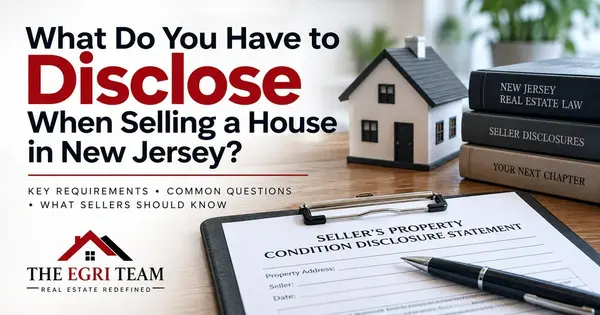
Do Sellers Have to Disclose Known Problems?
Inspection negotiations and seller disclosure obligations are related but separate issues.
New Jersey sellers should not assume that declining to make a repair eliminates any obligation they may have regarding disclosure of a known material defect.
Disclosure requirements can depend on the specific facts and circumstances, so sellers with questions about a known property condition should consult their New Jersey real estate attorney.
What If the Buyer Makes a Very Large Repair Request?
A long repair request can feel overwhelming, but the number of items is often less important than the significance of the individual issues.
Instead of responding emotionally, break the request into categories:
- Major or potentially serious issues
- Items that may affect financing, insurance, or safety
- Normal maintenance items
- Cosmetic requests
Then evaluate the request in the context of the transaction.
Consider:
- How strong is the buyer's offer?
- Were there other interested buyers?
- How long was the property on the market?
- How serious are the inspection findings?
- What might happen if the current transaction does not move forward?
- Could the same issue come up with another buyer?
The objective is not necessarily to "win" every inspection item. The objective is to protect your position while keeping a good transaction together when doing so makes sense.
Can a Buyer Walk Away After the Inspection?
Potentially, depending on the purchase contract, inspection contingency, attorney review, and the circumstances surrounding the transaction.
This is one of the reasons sellers should avoid making assumptions about what either party is legally required to do.
Your real estate agent can help you understand the practical negotiation considerations, while your New Jersey real estate attorney should advise you regarding your contractual rights and obligations.
Frequently Asked Questions
Do New Jersey sellers have to fix everything on a home inspection?
No. A home inspection report itself generally does not mean the seller must repair every item listed. Inspection issues are typically addressed according to the purchase contract, inspection contingency, and negotiations between the parties.
Can a seller refuse to make repairs after an inspection?
A seller may be able to decline some or all requested repairs depending on the contract and circumstances. The buyer may then have options under the inspection contingency. Sellers should review specific contractual questions with their real estate attorney.
Is it better to give the buyer a credit or make the repair?
It depends on the issue. A credit can sometimes simplify the transaction, while certain repairs may be better completed before closing. Financing and lender restrictions can also affect whether a credit is permitted.
Should I repair my home before putting it on the market?
Not every home needs extensive repairs before listing. Addressing obvious defects, active leaks, safety concerns, and nonfunctioning major systems may reduce potential inspection issues, but the best strategy depends on the property and local market.
Does selling a house as-is prevent the buyer from having an inspection?
Not necessarily. Buyers may still conduct inspections, and the rights of each party depend on the contract and circumstances of the sale.
Preparing to Sell Your New Jersey Home?
Inspection negotiations are only one part of a successful home sale.
Pricing, preparation, marketing, offer evaluation, inspection strategy, appraisal, and closing all work together.
If you are considering selling a home in Middlesex County or the surrounding New Jersey market, The Egri Team can help you develop a strategy based on your property, your goals, and current market conditions.
Start by finding out what your property may be worth with our What's My Home Worth? tool, or estimate your potential closing proceeds with our Seller Net Proceeds Calculator.
Helpful Seller Resources
- What's My Home Worth?
- Seller Net Proceeds Calculator
- Home Equity Calculator
- New Jersey Seller's Guide
- Middlesex County, NJ Real Estate Guide
Information in this article is provided for general educational purposes and should not be considered legal, tax, or financial advice. Real estate contracts and individual circumstances vary. Consult the appropriate licensed professional for advice regarding your specific situation.
Recent Posts